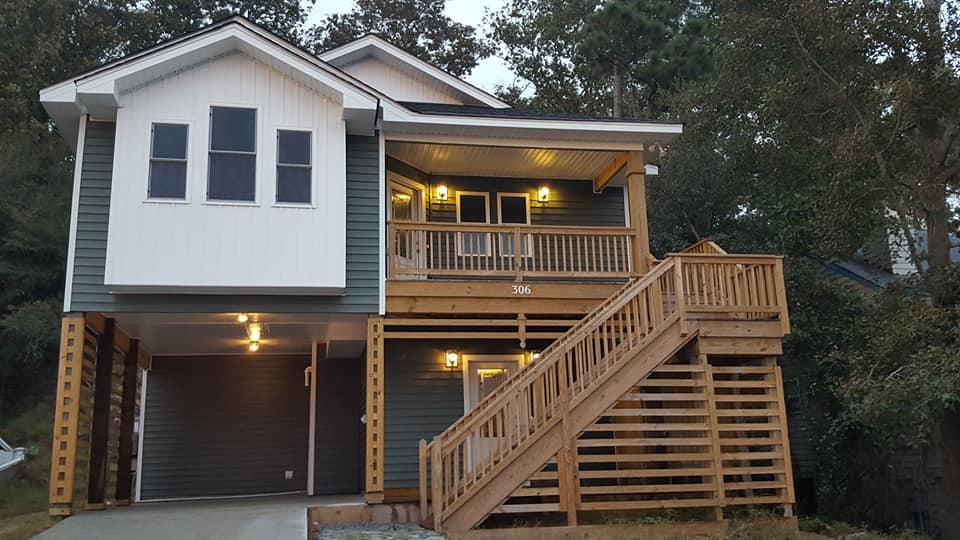
Choosing the Perfect Location for Your Custom Home Mar 24, 2026
To begin with, assess the lifestyle you envision for your household. Do you thrive in a vibrant, urban setting that offers easy access to restaurants, shopping, and cultural events? Or perhaps you prefer the tranquility of suburban or rural areas, with larger lots and a deep connection to nature. Deciding on this will help narrow down your choices considerably. For instance, families might prioritize areas with top-rated schools, while outdoor enthusiasts may seek regions with hiking trails and parks nearby.
Next, consider the practical aspects of your location. Proximity to work, school, healthcare, and public transportation can significantly impact your daily living. If you're someone who frequently commutes, choosing a location closer to major highways or public transit options might be worthwhile. On the other hand, if you work remotely or have flexible hours, you might prioritize neighborhood amenities over commuting convenience.
Another vital factor is the future development plans of the area. Growth can be a double-edged sword; new developments can increase property values and provide more amenities, but they can also lead to increased traffic and noise. Research local government and planning resources to understand long-term development plans. This insight can help you invest in an area with the potential for appreciation without being blindsided by unexpected growth that detracts from your enjoyment of your home.
Safety is another aspect to never overlook. Conduct thorough research on crime rates in the potential areas for your custom home. Online databases and local law enforcement resources can be valuable tools in determining the safety of a neighborhood. A safe location provides peace of mind, knowing that your family and investment are secure.
Natural surroundings and environmental factors should also play a role in your decision. Consider the climate and weather patterns; some may prefer the ever-changing seasons, while others yearn for warmth year-round. Additionally, pay attention to the specific site considerations such as soil quality, slope, and drainage, as these can affect the cost and feasibility of building your custom home.
Finally, engage with local communities through visits or online forums. Speaking with current residents can provide personal insights into the pros and cons of living in the area. They can offer firsthand experiences about the neighborhood, its culture, and community events, which can be invaluable in your decision-making process.
In conclusion, choosing the perfect location for your custom home is a multifaceted decision that requires thoughtful consideration of your lifestyle, future, and personal preferences. At Carolina Custom Homes & Remodeling, we're committed to guiding you through every step of this journey, ensuring that your dream home is perfectly situated in a location that you'll love. By taking the time to evaluate these critical factors, you can move forward with confidence, knowing that your custom home will be a cherished place for years to come.
/filters:no_upscale()/filters:format(webp)/media/7146f574-b0f4-4634-8dad-bbfae13bd473.jpeg)